Overview: Why an Adjustable Bed Base Matters
Adjustable bed bases have transformed the way people approach sleep, reading, recovery, and daily rituals in the bedroom. From humble beginnings of fixed foundations to today’s smart bases, the trajectory follows a constant pursuit: to harmonize posture, circulation, and comfort within the constraints of a modern living space. The right base can cradle you in a weightless, simulated zero-gravity posture, bridge nightly rest with daytime productivity, and offer gentle reminders to adopt healthier sleep routines.
In a world that increasingly favors compact, multifunctional spaces, a well-chosen base becomes both a wellness tool and a design element. It is not merely a frame; it is a system that interacts with your mattress, pillows, lighting, climate control, and even your daily routines.
The following sections blend historical context, current technological possibilities, and practical strategies to help you select a base that suits your body, your room, and your lifestyle.
Mattress Compatibility and Foundation Interplay
The mattress you pair with an adjustable base matters nearly as much as the base itself. Memory foam, latex, hybrid, and traditional innerspring options each respond differently to articulation, pressure redistribution, and base-driven movements.
Memory foam and latex typically perform well on adjustable bases due to their ability to contour without the confinement of a rigid, non-flexing surface. Hybrid mattresses, which blend coils with foam layers, can also work effectively, provided the coil system remains quiet and the upper comfort layers aren’t compromised by uneven motion.
In contrast, older or denser innerspring systems may require greater attention to the base’s articulation ranges and the bed’s edge support to avoid motion transfer frustrations. When evaluating compatibility, consider the base’s weight limits, the bed’s overall height, and how the propulsion system interacts with the mattress’s firmness profile.
Space-Aware Selection: Height, Clearance, and Room Layout
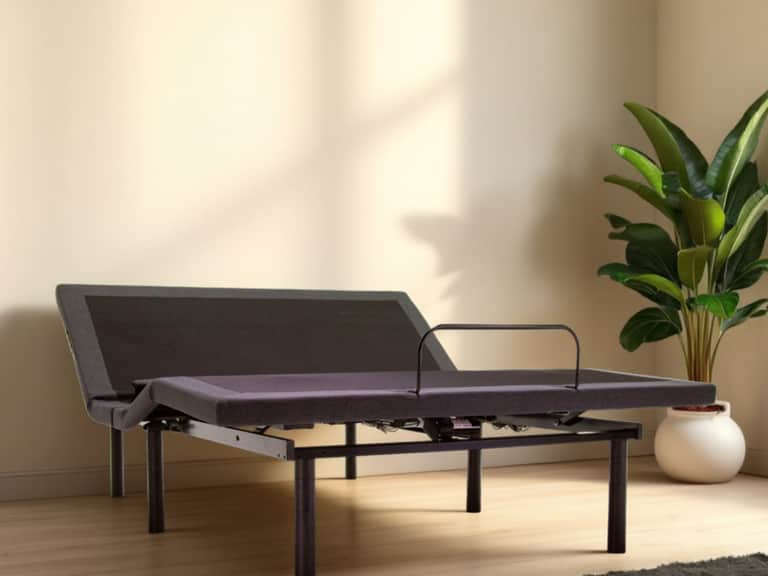
In many urban and small-space environments, maximizing under-bed clearance while preserving legibility of the room’s silhouette is essential. Adjustable bases come in a spectrum of heights, and some models offer slim profiles that tuck beneath platform frames or even sit directly on the floor. When space is at a premium, a base with a lower platform height becomes a practical choice, enabling bedside tables, storage, and night-time movement without crowding the room.
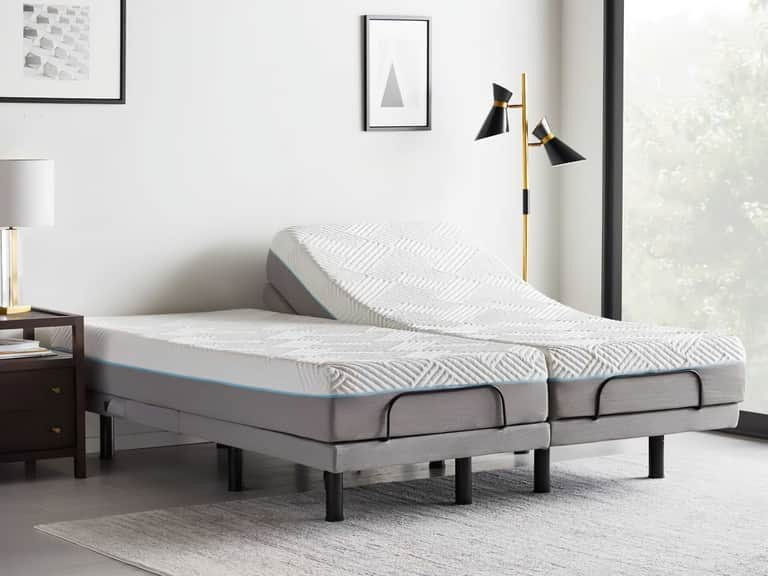
Consider whether you will share the bed with a partner. Split-king configurations allow independent adjustments on each side, minimizing disturbances and enabling personalized comfort for two sleepers with distinct needs. If you value ambient lighting or integrated USB charging, seek bases that place ports and LEDs within easy reach.
Three Key Figures in Sleep, Design, and Technology
Across epochs, certain thinkers and designers illuminate our understanding of rest, posture, and interior comfort. Three figures stand out for weaving scientific rigor, craft, and human-centered design into the bed and sleep domain.
-
Florence Nightingale (1820–1910): While not a designer of beds per se, Nightingale’s emphasis on sanitation, patient comfort, and environmental design laid a proto-science for modern sleep environments. Her focus on clean air, ample daylight, and ergonomic spaces informs how we think about bedroom microclimates and restful atmospheres.
-
Charles F. H. Keeling (1905–1980): A lesser-known but influential figure in the development of ergonomic furniture, Keeling championed foundations that integrated height variability and support. His work helped push the idea that bed frames could be designed to align the spine while accommodating a range of activities—from reading to sleeping.
-
Contemporary designers and engineers (late 20th–early 21st century): Pioneers of motorized, programmable platforms and smart connectivity—think wireless remotes, battery backup, and app control—whose innovations transformed beds into holistic wellness systems. Their work at the intersection of biomechanics, acoustics, and user interface guides today’s practical choices around independent head and foot articulation, massage features, and programmable presets.
Product Spotlight: Naturepedic Conductor Adjustable Bed Frame
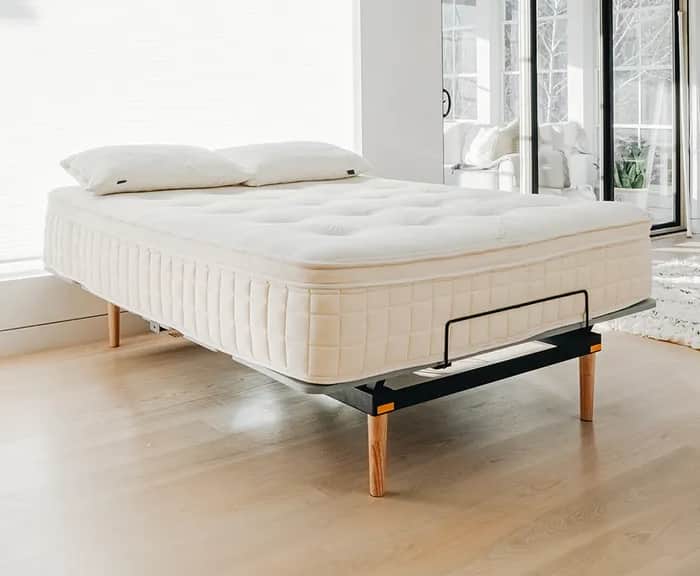
The Naturepedic Conductor Adjustable Bed Frame embodies the union of natural materials with modern adjustability. Its certified organic cotton upholstery, wall-hugging design, and height-adjustable oak legs anchor a sleep system that respects both comfort and sustainability. The bed’s zero-gravity setting and memory presets offer a path to relief from pressure points and improved circulation, while Bluetooth connectivity and a wireless remote place control in the palm of your hand.
In a contemporary bedroom, the Conductor’s quiet motors and robust construction translate to a platform that supports a wide range of mattress types and sleepers, from solo readers to couples who share a variety of ergonomics needs. Its upscale features—USB charging, under-bed lighting, and a Go Flat button—demonstrate how a sleep system can be both luxurious and functional.
Product image placeholder for Naturepedic Conductor Adjustable Bed Frame
Price: $1,499.00
Key specs: independent head and foot articulation, wall-hugger design, 700–1400 lb weight capacity depending on configuration, and easy assembly with a no-flip design. Size options include Twin XL, Queen, and Split King.
Design Tactics: Integrating a Base into Small Bedrooms
When space invites careful choreography, a thoughtful base design can elevate both function and aesthetics. Consider a base that integrates with a platform or pedestal frame to maintain a streamlined silhouette. If under-bed storage is a priority, choose a base model with straightforward access and a height profile that allows drawers or containers to slide in and out without collision with nightstands or desk surfaces.
Lighting, climate control, and noise reduction become synergistic when aligned with a smart base. For instance, ambient under-bed lighting not only guides movement at night but reduces disruptive connotations of bright overhead lighting. Similarly, USB ports positioned within arm’s reach make it convenient to charge devices during wind-down routines.